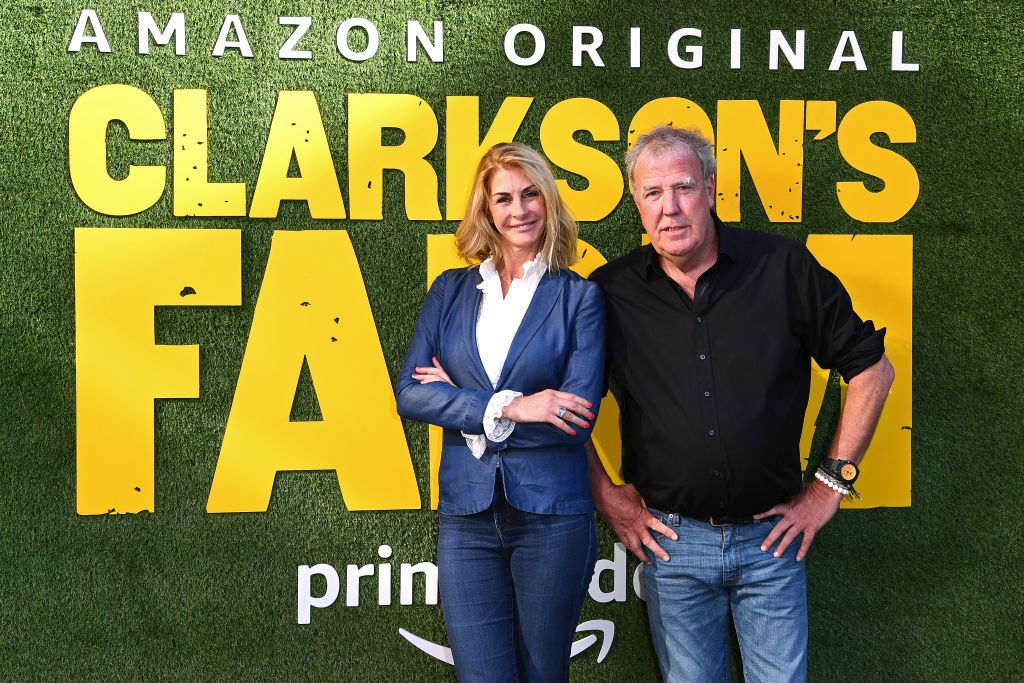
Clarkson’s Farm: Lessons in Political Economy
Complaining about the dismal state of affairs has turned into Britain’s favorite hobby. And rightfully so. In our lifetimes, numerous things have deteriorated significantly. Systems rarely function properly – if they function at all. You try to operate a mechanism, and either it breaks apart in your grasp or it redirects you to a malfunctioning mobile application. It feels as though we’re immersed in a society that’s steadily declining. Therefore, it’s hardly surprising that critics of Clarkson’s Farm – a standout program in last year’s television lineup, now available for streaming on Amazon – interpret the series as validation for their various grievances. Clarkson’s Farm is a reality television production where host Jeremy Clarkson astutely observes that ‘everything goes wrong against the clock.’ However, beneath his clumsy efforts to transform into a novice farmer lies a more profound and encouraging insight: it’s nothing short of miraculous that any aspect of our world operates successfully even occasionally. The fact that these systems perform as effectively as they do deserves our appreciation and celebration as we approach the New Year – a reminder to cherish them, preventing us from dismantling them in our contemporary obsession with flawlessness.
Clarkson’s Farm as a Political Parable
Clarkson’s Farm has reached its fourth season, with a fifth anticipated in the spring, and it serves as a documentary-style record of the challenges faced by the ex-motoring journalist and Top Gear host in his quest to manage a farm profitably. He purchased the property – primarily for tax advantages, as he openly concedes – back in 2008, and encountered a dilemma in 2019 upon the retirement of the estate’s caretaker farmer. His solution? Why not manage it personally? What a stroke of genius! (Ideal for television entertainment.) How challenging could it possibly be? (Immensely so, and in a hilariously engaging manner, one hopes!) The core humor stems from the revelation that operating a farm proves far more demanding than Clarkson’s (deliberately exaggerated) lack of knowledge can initially comprehend, requiring extensive lessons from harsh real-world experiences.
Beyond the entertainment, the series offers a remarkably perceptive allegory that brings to life essential principles of political economy. For instance, it’s a common belief among left-leaning circles – and thus pervasive in broader culture due to the prevalence of such views among elites – that generating substantial wealth is straightforward if one is fortunate enough to inherit the appropriate family background, or through serendipity, cunning, or influential networks, obtains the land and capital to launch a venture. From there, the plan is simple: employ workers, exploit them mercilessly, then relax as riches accumulate effortlessly, rivaling the fortune of someone like Jeremy Clarkson himself.
These naive left-wing perspectives often find echoes, albeit differently framed, on the right. Clarkson, for the sake of his intentionally dramatized program, appears to share a comparable outlook, minus the ethical judgments. His newly acquired farm must generate revenue to remain viable. He possesses the land and sufficient funds to procure equipment and hire personnel. Thus, how difficult could success be? Assemble the elements, perform some tractor operations, and watch profits flow. Yet, by the conclusion of the inaugural year – following unanticipated toil, anxiety, and catastrophes that would test even the most resilient non-farmer – Clarkson nets a mere £144, a negligible sum relative to the substantial investments required for the subsequent cycle.
This outcome underscores one profound miracle. Farmers persevere amid adverse weather, absurd regulations, interfering officials, mistakes, escalating costs from inflation, falling product prices, intricate and expensive yet essential technology and equipment, volatile markets, precarious investment and production choices, dismal wages and negligible profits, a barrage of environmental fees, mandates, and taxes, plus the onerous task of navigating bureaucracy to prove compliance with often illogical rules. Add to that disruptions from a worldwide pandemic and geopolitical conflicts disrupting supply chains and pricing – and still, somehow, food consistently reaches our tables.
This persistence exemplifies the essence of entrepreneurship: embracing massive risks for unpredictable future gains, laboring relentlessly to realize them. Success, when achieved through skill and fortune, yields substantial rewards – richly earned. Consumers reap benefits equally reliably. We celebrate and scrutinize those who triumph, while overlooking the far greater number who succumb when storms rage, floods rise, and gales howl.
Signs and Wonders in Rural Ventures
As the scripture notes, ‘Except ye see signs and wonders ye will not believe.’ Let’s examine another marvel depicted in the fourth season. Most of us have endured subpar visits to rural inns. We venture from our cozy living rooms anticipating a hearty greeting, a roaring hearth, quality meals and beverages, and jovial companionship. Instead, we encounter a quiet, rundown structure with a musty odor, lukewarm service, tepid ale, and dishes unfit even for pets. At least we can vent frustrations en route home, indulging in our cherished national habit. But on your next hopeful outing, armed with insights from Clarkson’s Farm, you might pause your complaints to marvel at the improbability of such establishments existing at all.
Clarkson’s ambitious scheme to boost income involves launching a pub featuring farm-grown cuisine, alongside products from neighboring farms, complemented by an on-site shop selling local goods. How complicated could it be? Step one: locate a neglected countryside tavern and purchase it. Initially, prospects look promising – numerous such properties are available, with more listings emerging regularly. (We’ll sidestep pondering the reasons behind this abundance.) Surely, one could snag an appealing historic structure needing minor renovations at a steal.
However, the ‘deal’ unravels upon receiving estimates from builders, plumbers, and decorators to restore it properly – post-Covid, sector expenses have skyrocketed and stayed elevated. This presumes obtaining approvals from planning authorities, which can be fraught, particularly for unconventional setups like a combined shop-pub, or if officials disapprove due to Clarkson’s cheeky on-screen jabs at them, or simply resist any hint of progress. Then come the outlays for kitchen, bar, dining, and retail fixtures. Linkages to suppliers, chains, regulators, and patrons must be forged. Marketing, oversight, culinary experts, employees, and bookkeepers all demand attention. The list extends endlessly.
Inevitably, idealism collides with practicality. Clarkson envisioned a venue exclusively offering locally sourced items from nearby agriculture. But patrons desire gin and tonics or colas. They crave black pepper for their steak (sourced somewhat locally, but at exorbitant premiums). Bypassing wholesalers sounds noble, yet what if guests order roast beef before livestock maturity? Local abattoirs shutter nationwide, unable to rival massive operations. Staff morale plummets amid endless upheavals, prompting threats of resignation. Reflecting deeply, one wonders: how does any enterprise endure? Nevertheless, as Clarkson observes, extraordinary individuals frequently achieve the ‘incredible,’ orchestrating miracles. Contemplate this with your next beverage. Chaos lurks backstage, yet order manifests for us – a blessing to those fostering it!
“I’ve Done a Thing!” and Economic Insights
The revelations from Clarkson’s ordeals mirror those in Leonard Read’s timeless economics essay I, Pencil. No individual possesses the full knowledge to craft a pencil: from forestry cultivation and logging, timber processing, graphite mining and refinement, worker sustenance, machinery fuel extraction, to the intricate assembly crafts. Similarly, nobody fully comprehends launching and sustaining a pub – let alone a commendable one worth revisiting. Each phase demands synchronizing procedures, evaluating expenses, securing rare and pricey expertise across technical, interpersonal, and business domains, all converging punctually to yield something economical and satisfying amid our critiquing populace. The true wonder isn’t flawless execution; it’s accomplishment whatsoever.
A signature Clarkson exclamation, ‘I’ve done a thing!’, rings out triumphantly upon minor victories in seemingly simple tasks – deceptive in ease to outsiders lacking hands-on trial or lifelong intuitive mastery we scarcely recognize until absent. ‘I can’t explain it; you just have to know,’ offers Kaleb Cooper, Clarkson’s aide-turned-farm overseer, while imparting farm wisdom. ‘Regrettably, I don’t,’ Clarkson retorts logically. Yet his forte lies in crafting captivating, crowd-pleasing, humorous TV. In this venture, he’s accomplished something truly praiseworthy.
A closing takeaway from the series: authorities must strike equilibrium between enabling – or ideally abstaining from obstructing – the myriad actors ‘doing a thing,’ while imposing regulations ensuring one pursuit doesn’t unduly disrupt others. Clarkson’s escapades starkly reveal our current imbalance veers perilously astray. His farm, a valiant endeavor akin to Gulliver ensnared by countless Lilliputian cords, illustrates how each restraint alone appears rational and vital. The peril arises as they proliferate, potentially immobilizing the endeavors birthing our daily miracles. Such an outcome spells authentic catastrophe. Perhaps gripe about it over drinks? Keir Starmer stays persona non grata at Clarkson’s pub; all others welcome via thefarmersdogpub.com.